
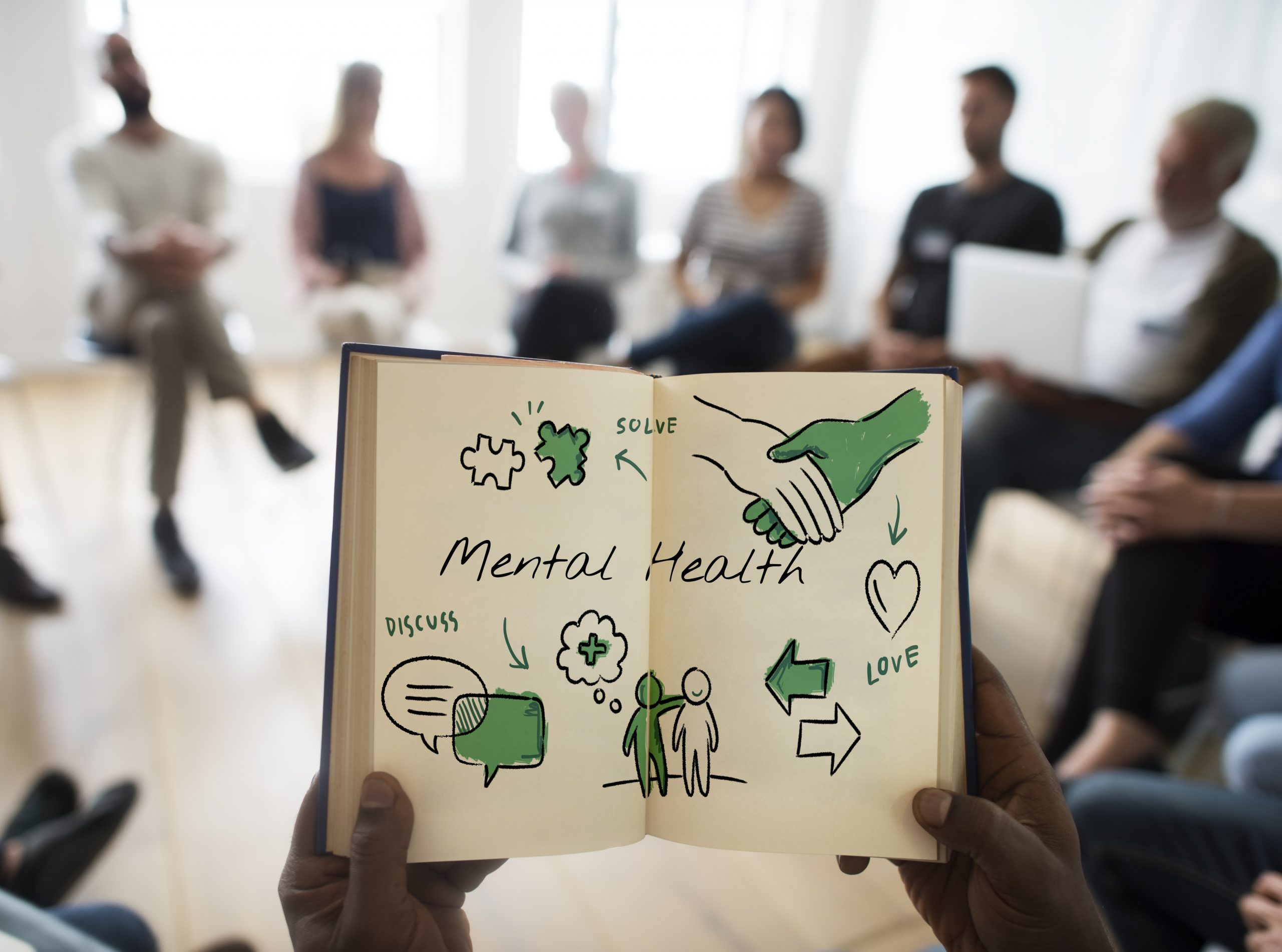
This Mental Health Awareness Week, many organisations will rightly talk about wellbeing.
There will be conversations about resilience, stress management, employee support, and mental health resources. And all of that matters.
But there is one workplace factor that often determines whether people feel able to access support, speak honestly, or cope sustainably in the first place:
Psychological safety.
At Lead with Difference Global, we believe psychological safety is not simply about creating “nice” workplace cultures.
It is about creating environments where people feel safe enough to be human.
And recently, I was reminded of just how powerful that can be.
The Conversation That Prompted This Reflection
One morning recently, my daughter opened up to me about some challenges she had been facing at school.
Not immediately. Not casually.
But honestly.
She shared how certain experiences had been weighing on her emotionally—affecting how she felt, how she approached school, and how she was coping internally.
And as I listened, I found myself reflecting on one thing in particular:
That conversation only happened because she felt psychologically safe enough to have it.
She felt there was space to be vulnerable without judgement.
Space to express struggle without fear.
Space to say, “I’m not okay.”
And it struck me how much this translates into the workplace.
Because adults are no different.
When people are carrying challenges—personally or professionally—it impacts:
- How they show up
- How they perform
- How they engage with others
- How they feel about coming to work each day
The question is:
Do they feel safe enough to say so?
What Psychological Safety Really Means
Psychological safety is often misunderstood.
It does not mean avoiding accountability.
It does not mean removing challenge.
And it certainly does not mean lowering standards.
Psychological safety means creating an environment where people feel able to:
- Speak honestly
- Ask questions
- Admit mistakes
- Share concerns
- Offer ideas
- Disagree respectfully
- Be vulnerable without fear of humiliation or punishment
In psychologically safe workplaces, employees do not spend their energy self-protecting.
They spend it contributing.
And that distinction matters more than many organisations realise.
The Hidden Emotional Cost of Unsafe Cultures
When psychological safety is absent, people rarely announce it openly.
Instead, it shows up quietly.
Employees:
- Hold back ideas
- Stay silent in meetings
- Avoid difficult conversations
- Mask stress or overwhelm
- Disengage emotionally before they disengage physically
And for many women, ethnically diverse professionals, and neurodiverse employees, this pressure can be even greater.
Because psychological safety is not experienced equally.
Some employees are already navigating:
- Pressure to code-switch
- Fear of confirming stereotypes
- Concerns about being labelled “difficult”
- Anxiety about how vulnerability may be perceived professionally
So rather than asking for support, they adapt.
They over-manage perception.
They suppress what they are experiencing.
And over time, that emotional labour becomes exhausting.
At Lead with Difference Global, we often remind organisations that wellbeing initiatives alone cannot compensate for cultures where people do not feel safe to be honest.
You cannot mindfulness-session your way out of an unsafe culture.

Psychological Safety Directly Impacts Performance
This is not just a wellbeing issue.
It is a leadership and performance issue.
Because when people do not feel psychologically safe:
- Innovation decreases
- Collaboration weakens
- Mistakes go unspoken
- Trust erodes
- Engagement drops
And eventually, retention suffers.
People are far more likely to stay in environments where they feel seen, heard, respected, and safe to contribute authentically.
This is particularly important during periods of uncertainty, pressure, or change.
Employees do not need leaders who pretend everything is fine.
They need leaders who create environments where honesty is possible.
Why Psychological Safety Matters During Mental Health Awareness Week
Mental Health Awareness Week gives organisations an opportunity to reflect on more than support services.
It is a chance to examine culture.
Because mental wellbeing at work is not only shaped by workload or benefits packages.
It is shaped by daily experiences:
- Whether people feel listened to
- Whether concerns are welcomed or dismissed
- Whether mistakes become learning opportunities or sources of shame
- Whether employees feel safe enough to ask for help before reaching crisis point
And importantly:
Whether people feel they can show up authentically without fear that vulnerability will damage credibility.
That is where psychological safety becomes transformative.
Because when safety exists, people speak sooner.
Challenges surface earlier.
Support becomes possible.
Connection deepens.
And ultimately, healthier workplaces emerge.

What Leaders Can Do—Starting Now
Psychological safety is not built through slogans.
It is built through consistent leadership behaviours.
Here are four places organisations can start:
1. Normalise honest conversations
Create space where employees can speak openly about challenges without fear of judgement or career impact.
2. Pay attention to silence
Silence in meetings is not always agreement.
Sometimes it is self-protection.
Ask:
Who feels safe enough to contribute here—and who does not?
3. Respond supportively to vulnerability
When employees speak honestly, how leaders respond matters enormously.
People remember whether openness was met with empathy or discomfort.
4. Examine whether inclusion feels emotionally safe
It is not enough for workplaces to appear diverse.
People also need to feel psychologically safe within them.
A Final Reflection
The conversation with my daughter stayed with me because it was such a powerful reminder:
People open up when they feel safe enough to do so.
That is true at home.
And it is equally true at work.
This Mental Health Awareness Week, organisations have an opportunity to think beyond awareness campaigns and wellbeing messaging.
To ask instead:
Have we created a culture where people genuinely feel safe to speak, struggle, contribute, and grow?
Because psychological safety is not a “nice to have”.
It is the foundation that allows wellbeing, performance, inclusion, and leadership to thrive together.
And without it, organisations risk creating workplaces where people survive professionally—but struggle silently personally.
Are You Ready to Understand How Safe Your People Really Feel?
This Mental Health Awareness Week, take a closer look at whether your workplace culture is creating genuine psychological safety for your people.
Take Lead with Difference Global’s Empowered Score Survey (ESS) to better understand the experiences shaping wellbeing, engagement, and retention across your workforce.
Because when people feel psychologically safe, they do not just protect their wellbeing.
They unlock their potential.
Leave a Reply