
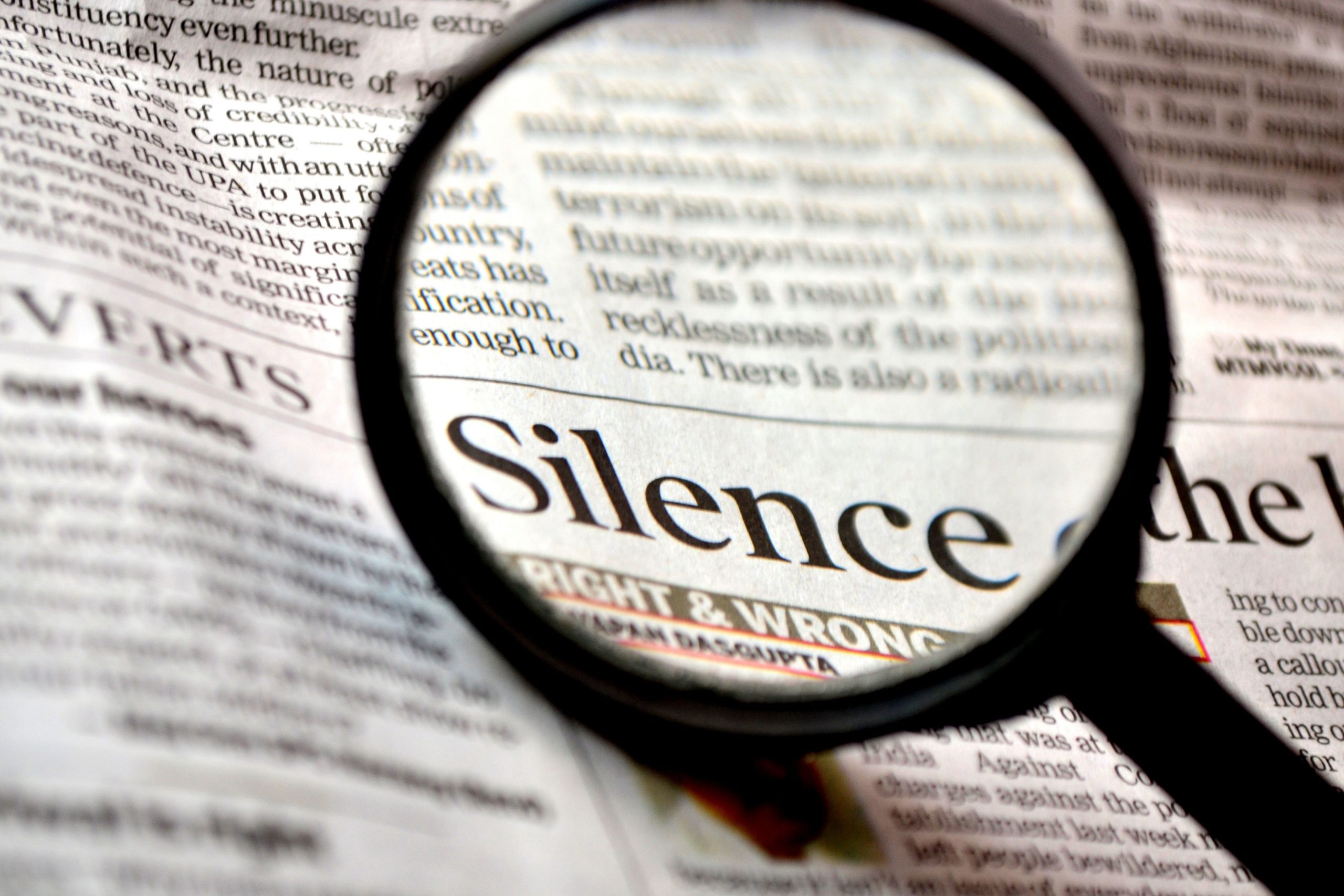
As the football world captures global attention, another conversation is unfolding away from the pitch.
Recent reports have highlighted allegations of serious financial misconduct within professional football organisations, including investigations into financial flows amounting to hundreds of millions of euros under previous leadership at Olympique Lyonnais. The allegations have raised important questions not only about governance and accountability, but also about culture. (Reuters)
Because whenever wrongdoing goes unchecked for prolonged periods, one question inevitably follows:
Did people know?
And if they did, why did nobody speak up?
It is a question that reaches far beyond football.
It is a question every organisation should be asking itself.
The Real Test of Culture
There is a quote often attributed in different forms over the years:
“When good people stay silent, harmful behaviour prospers.”
Whether we are talking about financial misconduct, bullying, discrimination, unethical behaviour, or poor leadership decisions, silence often plays a critical role in allowing problems to continue.
Yet silence is rarely simply about courage.
More often, it is about safety.
Do people believe they can raise concerns without damaging their career?
Do they trust that they will be listened to?
Do they feel protected if they challenge someone more senior than themselves?
Or do they believe speaking up will come at a personal cost?
The answers to those questions tell us a great deal about psychological safety.
Why People Stay Silent
Many leaders assume that if something is wrong, employees will say something.
The reality is often very different.
People stay silent for many reasons:
- Fear of retaliation
- Fear of being labelled difficult
- Fear of damaging relationships
- Fear of being excluded from future opportunities
- Lack of confidence that anything will change
In cultures where hierarchy dominates, speaking up can feel risky.
In cultures where leaders react defensively to challenge, speaking up can feel impossible.
And when employees see concerns ignored, dismissed, or punished, silence quickly becomes self-protection.
The issue is not that people do not care.
Often, they care deeply.
They simply do not feel safe.

Psychological Safety Is About More Than Wellbeing
Psychological safety is often discussed in relation to wellbeing and mental health.
And rightly so.
When people feel psychologically safe, they are more likely to ask for help, admit mistakes, share concerns, and seek support.
But psychological safety is also a governance issue.
An ethics issue.
A performance issue.
Because organisations rely on people being willing to challenge what is not working.
Without challenge:
- Risks go unnoticed
- Poor decisions go unchallenged
- Innovation declines
- Groupthink increases
- Harmful behaviour becomes normalised
The healthiest organisations are not those where nobody disagrees.
They are those where people feel safe enough to disagree constructively.
What This Means for Inclusion
At Lead with Difference Global, we often talk about belonging and inclusion.
But inclusion is not simply about who is present.
It is about who feels able to speak.
This matters because diverse employees are often the first to notice when something is not working.
They may see barriers others miss.
They may experience behaviours others overlook.
They may identify risks, blind spots, or unintended consequences before anyone else.
But if they do not feel psychologically safe enough to raise those concerns, organisations lose valuable insight.
Inclusion without psychological safety limits contribution.
And contribution is where real value is created.

The Leadership Question
Perhaps the most important question leaders can ask is not:
“Would people speak up?”
But:
“Have I created the conditions where they genuinely feel able to?”
Because psychological safety is not built through statements on a website.
It is built through everyday leadership behaviours.
How leaders respond to challenge.
How mistakes are handled.
How feedback is received.
How dissenting voices are treated.
Whether difficult conversations are welcomed or avoided.
Employees notice all of it.
A Final Reflection
The stories making headlines today may be happening in football, but the lessons apply everywhere.
Every organisation faces moments when someone notices something that does not feel right.
The difference between healthy cultures and unhealthy ones is often what happens next.
Do people stay silent?
Or do they feel safe enough to speak?
Because when people fear the consequences of telling the truth, organisations become vulnerable.
But when people feel psychologically safe enough to challenge, question, and contribute honestly, organisations become stronger, healthier, and more resilient.
And that is not just good leadership.
It is good business.
Are You Ready to Understand How Safe Your People Feel to Speak Up?
Take Lead with Difference Global’s Empowered Score Survey (ESS) to better understand the experiences shaping psychological safety, belonging, engagement, and retention across your workforce.
Because when people feel empowered to contribute honestly and authentically, organisations gain more than compliance.
They gain trust, innovation, accountability, and the courage to address problems before they become crises.
Leave a Reply